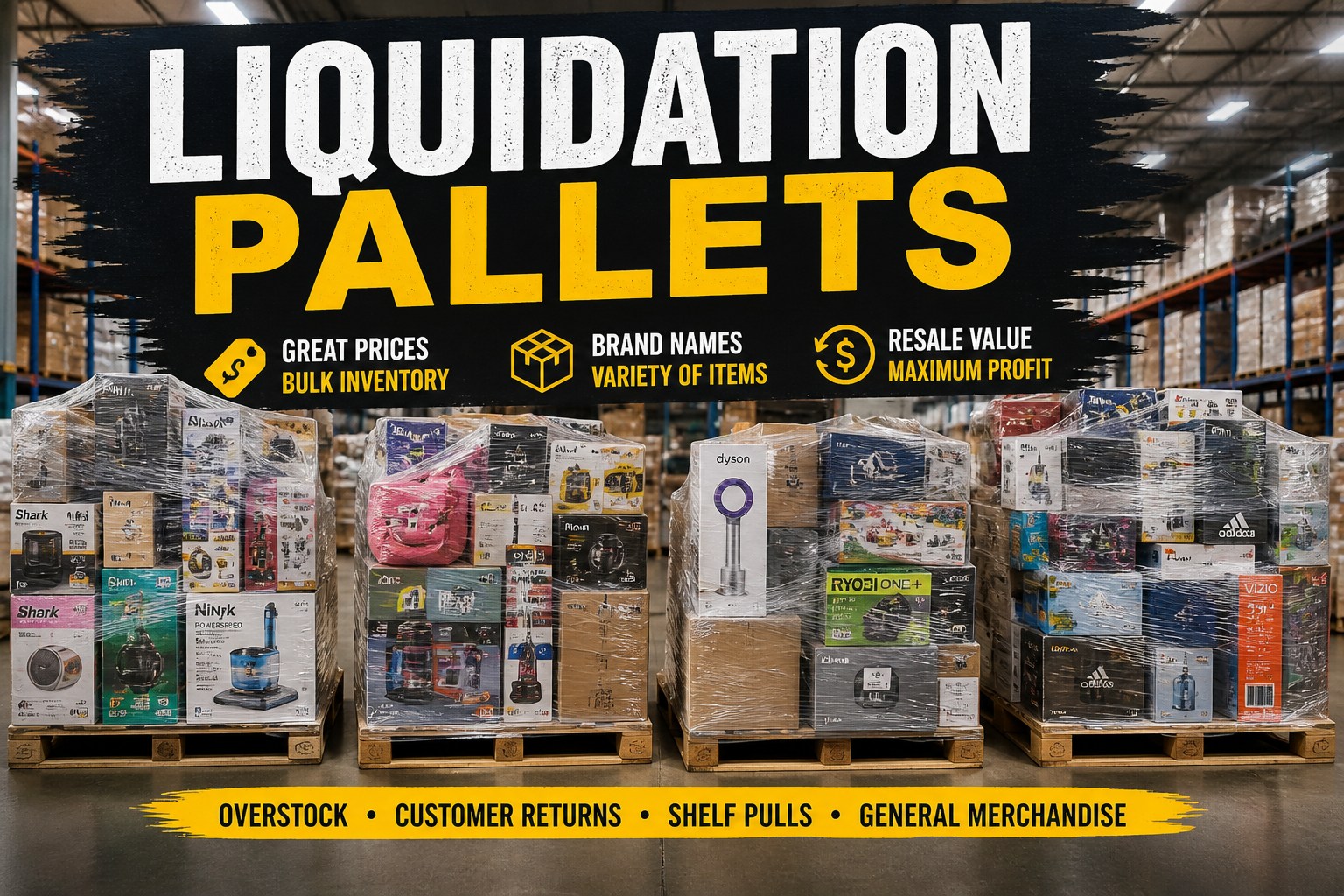
Modern retail is built for speed—fast production, fast shipping, fast sales. But not everything moves as planned. Products get returned, trends shift, packaging gets damaged, and warehouses fill Classic Watches Liquidation Pallet. When that happens, businesses turn to a practical release valve: liquidation pallets. What looks like leftover inventory is actually part of a structured system that redistributes goods, recovers value, and fuels a growing resale economy.
What Are Liquidation Pallets?
A liquidation pallet is a bulk lot of mixed merchandise sold together at a discounted rate. Instead of listing items one by one, retailers or distributors bundle them on pallets and sell them in large quantities. These pallets can include anything from small appliances and apparel to tools, toys, and electronics.
The condition varies. Some items are brand new, others are customer returns, and some may have cosmetic damage. This mix creates both opportunity and uncertainty—two forces that define the liquidation business.
Why Inventory Becomes “Liquidation”
Retailers don’t liquidate because they want to; they do it because it’s efficient. Holding unsold goods ties up capital and warehouse space. Processing returns individually is time-consuming and expensive. Liquidation offers a faster path.
Common triggers include:
- Overstock: Demand forecasts miss the mark
- Returns: Perfectly usable items come back opened or lightly used
- Seasonality: Holiday or trend-based products lose relevance quickly
- Packaging issues: Items can’t be sold as new due to damaged boxes
Selling in bulk at a discount helps businesses recover some cost while keeping operations lean.
The Main Types You’ll Encounter
Not all pallets carry the same risk profile:
- Overstock pallets: Mostly new items; generally the safest bet
- Return pallets: Mixed condition; higher upside but more work
- Shelf pulls: Removed from stores; often in decent condition
- Mixed pallets: Multiple categories in one lot
- Manifested pallets: Include a list of items and estimated values
- Unmanifested pallets: Little to no detail—cheaper but unpredictable
Choosing the right type depends on your experience, budget, and tolerance for uncertainty.
Where the Opportunity Lies
Liquidation pallets power a simple model: buy low in bulk, sell higher individually. The margin comes from breaking down a mixed lot and pricing items based on condition and demand.
Why people are drawn to it:
- Low barrier to entry compared to traditional retail
- Flexible scale—from a garage setup to a warehouse operation
- Constant variety, which keeps inventory fresh
- Potential for strong margins if you buy well and process efficiently
For many, it starts as a side hustle and evolves into a structured business.
The Work Most People Underestimate
Profit isn’t in the purchase—it’s in the process. After a pallet arrives, the real work begins:
- Sorting: Categorize items and assess condition
- Testing: Verify functionality, especially for electronics
- Cleaning/repair: Improve resale value
- Pricing: Research comparable listings and demand
- Listing & fulfillment: Create listings, pack, and ship
Efficiency at each step determines your overall return.
Risks That Can Erode Margins
Liquidation is not a guaranteed win. Common pitfalls include:
- Overpaying for pallets based on optimistic estimates
- Low recovery rate if many items are unsellable
- Hidden costs like freight, storage, platform fees, and repairs
- Slow turnover, which ties up cash and space
- Mismatched demand, especially in saturated categories
Treat it like a business with metrics, not a gamble with guesses.
Smarter Buying Strategies
Experience sharpens judgment, but a few principles help from day one:
- Start small to learn your true recovery rate
- Prefer manifested lots until you understand the risk
- Specialize in one or two categories to build pricing intuition
- Calculate landed cost (purchase + shipping + fees) before bidding
- Source consistently from reputable suppliers
Over time, your data becomes your advantage.
Selling Channels That Work
Turning inventory into cash depends on where and how you sell:
- Online marketplaces for broad reach
- Local sales to avoid shipping and move bulky items
- Social platforms for direct-to-customer selling
- Bundling to clear lower-value items faster
Clear photos, honest condition notes, and competitive pricing improve sell-through.
The Sustainability Angle
Liquidation isn’t just about profit—it reduces waste. By recirculating returned and unsold goods, it extends product lifecycles and keeps usable items out of landfills. It’s a practical example of a circular economy at work: value is recovered, not discarded.
Is It Worth Pursuing?
Liquidation pallets reward discipline. If you enjoy problem-solving, don’t mind hands-on work, and are willing to track numbers, the model can be both flexible and profitable. If you expect quick wins without effort, it can be frustrating.
Final Thoughts
Liquidation pallets sit at the intersection of efficiency and opportunity. For retailers, they’re a way to move on. For buyers, they’re a way to move up—by turning retail overflow into a structured, repeatable business.
Every pallet is a dataset in disguise. Learn from it, refine your process, and the unpredictability that once felt like risk becomes a source of edge.